Upholstery Cleaning in Your Home: A Complete, Practical, and SEO-Friendly Resource
Upholstery cleaning is one of the most effective ways to refresh the look, feel, and hygiene of your home or workplace. Whether you have a fabric sofa that has absorbed daily dust, a dining chair marked by spills, or an office lounge that needs a professional reset, upholstery cleaning helps restore comfort and appearance. In busy households and commercial spaces, furniture naturally collects dirt, allergens, body oils, pet dander, and odors. Over time, that buildup can make even high-quality furniture look tired and feel less inviting. That is why upholstery cleaning is not just about aesthetics; it is also about maintaining a healthier indoor environment and extending the life of your investment.
Many people search for upholstery cleaning when they notice visible stains, but regular care is valuable long before furniture reaches that stage. The right cleaning approach can brighten colors, reduce odors, and help fabrics last longer without premature wear. If you want your furniture to remain clean, fresh, and comfortable, understanding upholstery cleaning methods, fabric types, and maintenance habits is essential. Professional upholstery cleaning and at-home care both have a role to play, and knowing when to use each can save time, money, and frustration.
In this article, we will explore how upholstery cleaning works, which methods are safest for different materials, and how to keep furniture looking its best between deep cleans. You will also learn about common mistakes, stain treatment tips, and the benefits of choosing expert care when needed. If you are looking for a practical, reader-friendly, and search-optimized resource on upholstery cleaning, you are in the right place. Clean furniture can transform a room.
What Upholstery Cleaning Really Means
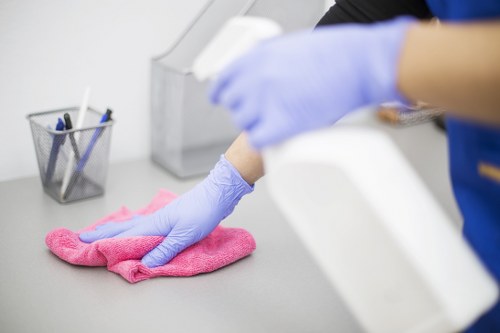
Upholstery cleaning refers to the process of removing dirt, debris, stains, and odors from the fabric or leather covering of furniture. This may include sofas, armchairs, recliners, ottomans, dining chairs, headboards, and even office seating. Unlike cleaning hard surfaces, upholstery cleaning requires a more careful approach because fabrics can absorb moisture, trap allergens, and react differently to chemicals. The goal is to clean thoroughly without damaging the material, fading the color, or leaving behind residue.
There are several reasons upholstery becomes dirty so quickly. Furniture is used every day, often by multiple people, and it can collect dust from the air, crumbs from meals, sweat from regular use, and pet hair from household animals. Spills and stains can settle into the fibers, making them harder to remove over time. This is why regular upholstery cleaning is recommended rather than waiting until furniture looks visibly dirty. A proactive approach often leads to better results and less wear on the fabric.
In homes with children, pets, or frequent guests, upholstery cleaning becomes even more important. Not only does it improve appearance, but it can also help reduce allergens and lingering smells. For that reason, many homeowners consider upholstery cleaning part of routine household maintenance, similar to vacuuming carpets or washing bedding. It contributes to a cleaner, more comfortable living space and can support better indoor air quality.
Why Upholstery Cleaning Matters
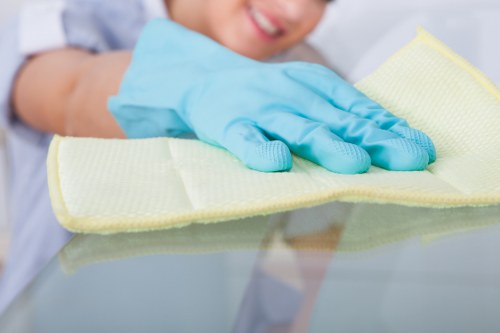
Furniture is often one of the most expensive and heavily used items in a home. Because of that, upholstery cleaning should be viewed as protection for a valuable asset. When dirt and oils sit on fabric for long periods, they can break down the fibers and dull the appearance of the material. Over time, this may lead to discoloration, thinning, or permanent staining. Regular upholstery cleaning helps reduce this damage and keeps furniture looking newer for longer.
Another major benefit is hygiene. Upholstery can harbor allergens such as dust mites, pollen, and pet dander. It can also trap bacteria and odors from food, sweat, and smoke. For people with allergies or sensitivities, cleaner furniture may make a noticeable difference in day-to-day comfort. Deep upholstery cleaning can remove much of this buildup, creating a healthier environment for everyone in the space.
There is also a visual benefit that should not be overlooked. Fresh, well-maintained furniture makes a room feel more polished and inviting. Whether you are preparing a home for guests, listing a property for sale, or simply improving your own living environment, upholstery cleaning can dramatically improve first impressions. A cleaner sofa often changes the whole room.
Common Upholstery Materials and Their Cleaning Needs
Different materials require different upholstery cleaning methods, so understanding your furniture’s fabric is the first step. Not all upholstery is made to handle the same products or levels of moisture. Before applying any cleaner, check the manufacturer’s care label, which may include cleaning codes that indicate what is safe to use. This simple step can prevent damage and help you choose the correct approach.
Fabric Upholstery
Fabric upholstery is common in sofas, armchairs, and dining chairs. It can be made from cotton, polyester, microfiber, linen blends, or more delicate natural fibers. Fabric often responds well to vacuuming, spot treatment, and gentle steam or extraction cleaning, but the exact method depends on the weave and care code. Because fabric can absorb moisture easily, over-wetting is one of the biggest risks in upholstery cleaning.
Leather Upholstery
Leather furniture requires a different process because it is not a woven textile. Leather should be cleaned with products designed specifically for it, and it must be treated carefully to preserve softness and prevent cracking. Regular dusting and conditioning are often part of leather upholstery care. While leather is generally easier to wipe clean than fabric, it can still collect oils and dirt that dull the surface.
Microfiber Upholstery
Microfiber is popular because it is durable, soft, and relatively resistant to staining. However, it still benefits from regular upholstery cleaning. Many microfiber pieces can be cleaned with mild solutions or professional extraction methods, but strong solvents may affect the texture. Microfiber upholstery cleaning should be done carefully to avoid streaking or water rings.
How Professional Upholstery Cleaning Works
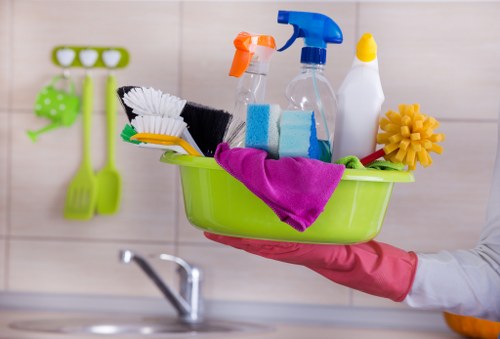
Professional upholstery cleaning usually begins with a thorough inspection. A technician checks the fabric type, identifies visible stains, assesses wear, and looks for colorfastness concerns. This assessment helps determine which cleaning method is most appropriate. Because different materials react differently to heat, moisture, and detergents, this step is crucial for safe and effective results.
After inspection, the furniture is often vacuumed to remove loose dust, crumbs, and debris. This may include using specialized attachments to reach seams, tufts, and corners where dirt accumulates. Next, the cleaner may pre-treat spots or heavily soiled areas with products designed to loosen stains and oils. From there, the selected cleaning technique is applied, which may involve hot water extraction, low-moisture cleaning, foam cleaning, or dry cleaning.
Once the cleaning process is complete, technicians often use tools to remove excess moisture and speed up drying. This reduces the risk of mildew or lingering dampness. Professional upholstery cleaning is especially valuable for delicate fabrics, stubborn stains, and furniture that has not been cleaned in years. Expert care can achieve deeper results than surface cleaning alone.
Popular Upholstery Cleaning Methods
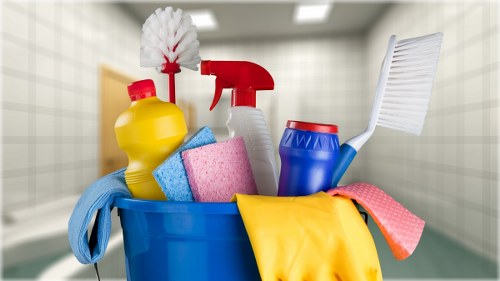
There is no single method that works for every piece of furniture. The best upholstery cleaning technique depends on the fabric, the type of soil, and the level of contamination. Understanding the main methods can help you make smarter decisions when cleaning furniture at home or hiring a professional.
Hot Water Extraction
Hot water extraction is one of the most widely used upholstery cleaning methods for fabric furniture. It involves applying a cleaning solution and hot water under controlled pressure, then extracting the dirt and moisture with a powerful vacuum. This method is effective for deep cleaning and removing embedded grime, but it must be used carefully to avoid over-wetting sensitive materials.
Dry Upholstery Cleaning
Dry cleaning uses minimal moisture and specialized compounds to lift dirt from the fabric. This technique is useful for upholstery that cannot tolerate water or for quick turnaround situations. It is often chosen for delicate materials where moisture could cause shrinking, bleeding, or texture changes.
Foam Cleaning
Foam cleaning uses a foam-based solution that is worked into the upholstery and then removed, taking dirt with it. Because it uses less moisture than full extraction methods, it can be a safer option for certain fabrics. Foam cleaning is often used when moderate cleaning is needed without prolonged drying time.
Leather Cleaning and Conditioning
Leather upholstery cleaning typically includes gentle surface cleaning followed by conditioning. The conditioner helps maintain softness and flexibility while reducing the risk of cracking. This is especially important for high-use leather furniture exposed to sunlight or dry indoor air.
At-Home Upholstery Cleaning Tips That Actually Help
While professional upholstery cleaning delivers the deepest results, regular maintenance at home makes a huge difference. Small habits can prevent dirt from building up and keep furniture looking fresh between professional visits. The key is consistency and using the right technique for the material.
- Vacuum upholstery weekly using an upholstery attachment to remove dust, hair, and crumbs.
- Blot spills immediately with a clean, absorbent cloth rather than rubbing the stain.
- Test any cleaning solution in a hidden area before using it on visible fabric.
- Use fabric-safe cleaners and avoid harsh chemicals that may damage fibers or colors.
- Rotate cushions regularly to distribute wear evenly and keep the furniture looking balanced.
- Keep furniture out of direct sunlight where possible to reduce fading.
Spot cleaning can be helpful, but it must be done carefully. Always use a minimal amount of solution and avoid saturating the fabric. For many stains, blotting and gentle treatment work better than scrubbing. Gentle upholstery care can prevent a small spill from becoming a permanent mark. If you are unsure how a fabric will respond, it is often safer to contact a professional rather than risk damage.
It is also a good idea to keep pets’ paws clean, limit eating on upholstered furniture when possible, and use throws or covers in high-traffic areas. These simple routines may not replace upholstery cleaning, but they reduce the frequency of deep cleaning and help your furniture last longer. Prevention is always easier than restoration.
How Often Should Upholstery Be Cleaned?
The ideal upholstery cleaning schedule depends on how the furniture is used. A lightly used formal sofa may only need professional cleaning once every year or two, while a family room couch used daily may require attention more often. Homes with pets, children, or allergy concerns may need more frequent care. There is no single schedule that works for everyone, but regular maintenance should always be part of the plan.
For most homes, vacuuming weekly and spot cleaning as needed is a sensible starting point. Professional upholstery cleaning may be recommended every 12 to 18 months for average use, though heavily used furniture may need cleaning every 6 to 12 months. Commercial spaces such as offices, waiting rooms, and hospitality areas often require more frequent upholstery cleaning because of constant traffic. The more use furniture gets, the more often it will benefit from deep cleaning.
Instead of waiting for visible dirt, consider factors such as odor, texture changes, dullness, and allergy symptoms. These signs often indicate that upholstery cleaning is overdue. By paying attention early, you can prevent permanent damage and keep your furnishings in excellent condition. Regular upkeep pays off in appearance and longevity.
Common Upholstery Cleaning Mistakes to Avoid
Many upholstery problems happen because of well-intentioned but incorrect cleaning habits. One of the biggest mistakes is using too much water. Excess moisture can seep into padding and foam, causing slow drying, odor development, and even mold growth. Another mistake is applying random household products without checking whether they are suitable for the fabric. Harsh cleaners can fade colors, weaken fibers, or leave residues that attract more dirt.
Rubbing stains aggressively is another common error. Scrubbing can spread the stain, push it deeper into the fibers, and damage the fabric’s surface. Blotting is usually the safer choice. Using colored towels, failing to vacuum first, and skipping a spot test can also create avoidable problems. These mistakes may seem small, but they can have a lasting impact on the success of upholstery cleaning.
If you are dealing with valuable furniture, delicate material, or a stain that has already set, it is wise to get professional help. A trained cleaner can assess the problem and use appropriate methods to minimize risk. Safe upholstery cleaning is about matching the method to the material, not forcing one solution onto every piece.
Stain Removal and Odor Control for Upholstery
Stains are one of the most common reasons people seek upholstery cleaning. Spills from coffee, wine, juice, grease, ink, and pet accidents can all affect furniture in different ways. The best response is immediate action. Blot excess liquid, avoid rubbing, and treat the area with a fabric-safe cleaner that is appropriate for the material. Older stains may need more than one treatment or a professional extraction process.
Odors can be just as frustrating as visible stains. Upholstery can absorb smells from pets, food, smoke, and humidity. To reduce odors, regular vacuuming and deep cleaning are important, but so is proper drying. Furniture that remains damp too long may develop a musty smell. Professional upholstery cleaning often helps neutralize odors because it removes the source rather than simply masking it.
For persistent smells, baking soda may help on some fabrics when used carefully and vacuumed thoroughly after a short dwell time. However, not every fabric can tolerate the same treatment, so caution is important. If an odor has penetrated deep into the cushioning, a professional upholstery cleaning service may be the most effective option. Fresh furniture improves the comfort of the entire room.
Benefits of Choosing Professional Upholstery Cleaning
Hiring a professional for upholstery cleaning offers several benefits beyond convenience. First, professionals bring experience with different fabrics, stains, and furniture styles. That knowledge helps them choose the right cleaning technique and avoid mistakes that could damage the upholstery. Second, they typically have specialized equipment that can clean more deeply and extract moisture more effectively than standard household tools.
Professional upholstery cleaning can also save time and effort. Instead of experimenting with different products or spending hours trying to remove a stain, you can rely on someone trained to do the work efficiently. This is particularly helpful for busy households, rental properties, offices, and hospitality settings where appearance matters. In many cases, professional cleaning also restores furniture well enough to delay replacement, which can be a cost-effective choice over time.
There is also peace of mind in knowing the furniture is being cleaned safely. Delicate fabrics, antique pieces, and leather seating often require special care that only experienced cleaners can provide. If you want cleaner, healthier, and longer-lasting furniture, professional upholstery cleaning is often the smartest investment. Book your service now if your furniture needs a noticeable refresh.
How to Maintain Upholstery After Cleaning
Once upholstery cleaning is complete, maintenance becomes the key to lasting results. Keep vacuuming the furniture regularly, especially in seams and crevices where dust tends to collect. Address spills immediately and avoid letting food or drinks sit near upholstery when possible. If you have pets, consider using washable throws or training them to stay off certain pieces of furniture.
Rotate cushions and plump them regularly to preserve shape and comfort. Try to keep upholstered furniture away from direct heat sources and strong sunlight, both of which can affect fabric condition over time. For leather, follow conditioning schedules recommended by the manufacturer or cleaning professional. These steps support the results of upholstery cleaning and reduce the need for more intensive treatment later.
If you live in a dusty environment, have allergies, or use your furniture heavily, schedule routine professional upholstery cleaning to keep everything in top condition. A balanced mix of at-home care and expert service is the best way to protect your investment. Clean furniture is easier to maintain than neglected furniture.
Final Thoughts on Upholstery Cleaning
Upholstery cleaning is an essential part of keeping furniture attractive, comfortable, and hygienic. From removing embedded dirt and allergens to extending the life of your sofas and chairs, the benefits are both practical and visual. The right cleaning method depends on the fabric, the type of soil, and how much wear the furniture receives, which is why understanding your options matters. Whether you handle routine maintenance at home or hire a professional, regular care makes a noticeable difference.
Clean upholstery changes how a room feels. It can brighten the space, improve indoor freshness, and make everyday living more pleasant. When stains, odors, or buildup begin to take over, do not wait until the damage becomes severe. With the right approach, upholstery cleaning can restore beauty and comfort while protecting the value of your furniture.
If your furniture is starting to look dull or feel less fresh, take action now. Contact us today or Book your service now to give your upholstery the attention it deserves. A cleaner, healthier, and more inviting space is closer than you think.
A detailed, upholstery cleaning, covering methods, benefits, materials, maintenance tips, stains, odors, and professional care.