Deep Cleaning in Modern Homes: What It Includes, Why It Matters, and How to Do It Right
Deep cleaning in any home is more than a quick tidy-up. It is a focused, room-by-room process that removes built-up dirt, grease, dust, and grime from places routine cleaning often misses. When done correctly, deep cleaning in a home can improve comfort, support healthier indoor air, and make everyday maintenance much easier.
Whether you are preparing for a special event, moving in or out, managing seasonal cleaning, or simply wanting a fresher living space, deep cleaning in your home can make a dramatic difference. Unlike regular housekeeping, this process targets hidden areas, neglected surfaces, and high-touch points that need extra attention.
In this article, we will explore what deep cleaning involves, the best rooms to focus on, useful techniques, and practical tips for maintaining results longer. If you want a cleaner, healthier, and more polished home, deep cleaning in the right way is a smart investment of time and effort.
What Deep Cleaning in a Home Really Means

Deep cleaning in a residential setting refers to a thorough cleaning process that goes well beyond standard dusting and vacuuming. It focuses on removing built-up debris, sanitizing surfaces, and addressing the overlooked spots that accumulate grime over time. This can include behind appliances, under furniture, inside cabinets, along baseboards, and around fixtures.
Regular cleaning keeps a home looking presentable, but deep cleaning in specific areas restores the home to a much higher standard of cleanliness. It often requires stronger cleaning tools, more detailed work, and extra time. The goal is not just to make the space look clean, but to help it feel genuinely refreshed.
Many homeowners schedule deep cleaning in their homes seasonally or before major life events. Others do it when certain rooms start to feel dull, dusty, or sticky despite normal upkeep. In either case, the process adds an important layer of care that routine tasks cannot fully achieve.
Why Deep Cleaning in Homes Is So Important
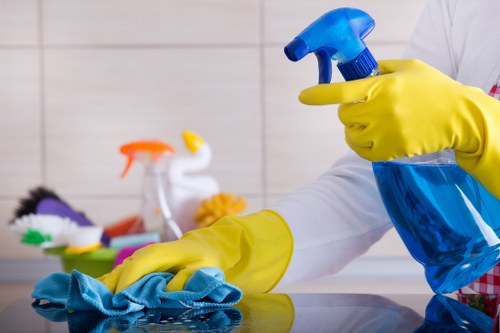
One of the biggest benefits of deep cleaning in a home is improved hygiene. Dust, allergens, pet hair, and bacteria can build up in corners, fabrics, and surfaces that are rarely cleaned thoroughly. Over time, these hidden contaminants can affect how comfortable and healthy the environment feels.
Deep cleaning in frequently used rooms also extends the life of household materials. Floors, countertops, appliances, and furniture can last longer when grime and residue are removed before they cause damage. A clean home is not only more attractive; it is also easier to maintain and protect.
There is also a psychological benefit to deep cleaning in your living space. Many people notice lower stress and a stronger sense of control after a thorough cleaning session. A polished, orderly home can support better focus, better relaxation, and a more positive daily routine.
Rooms That Benefit Most from Deep Cleaning in a Home
Although every room can benefit from a detailed cleaning session, some areas require special attention more often than others. Kitchens, bathrooms, bedrooms, living rooms, and entryways are common priorities because they collect dirt quickly and are used constantly.
Kitchens often need deep cleaning in cabinets, appliances, sinks, backsplashes, and pantry shelves. Bathrooms require careful attention to tile, grout, drains, mirrors, vents, and fixtures. Bedrooms benefit from mattress care, under-bed dust removal, and fabric refreshing.
Living rooms and hallways may seem cleaner at first glance, but they often contain dust on baseboards, electronics, upholstery, and hidden surfaces. Deep cleaning in these areas can dramatically improve the look and feel of the entire home.
Kitchens
Kitchen deep cleaning should include degreasing, sanitizing, and organizing high-use zones. From stovetops to cabinet doors, every surface tends to collect residue that routine wiping may miss.
Bathrooms
Bathrooms need extra attention because moisture encourages buildup. Scrubbing tile, polishing fixtures, and sanitizing touchpoints are essential parts of effective deep cleaning in this room.
Deep Cleaning in the Kitchen: The Most Detailed Room
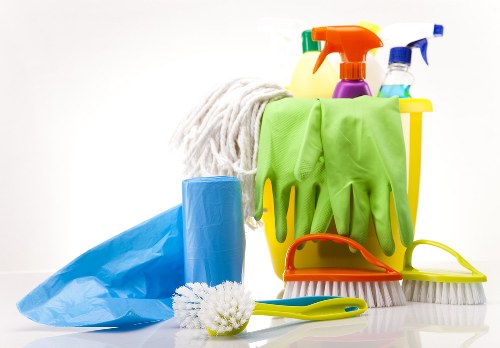
The kitchen is often the hardest-working room in the house, which is why deep cleaning in this area should be especially detailed. Grease, crumbs, spills, fingerprints, and odors all gather quickly in a kitchen, especially around cooking zones and food storage areas.
Start with appliances. The inside and outside of the refrigerator, oven, microwave, dishwasher, and range hood can all benefit from a proper deep cleaning routine. Remove shelves where possible, wipe seals, clean vents, and address hidden stains. These tasks help improve both appearance and sanitation.
Next, focus on cabinets, drawers, and countertops. Deep cleaning in kitchen storage areas means removing items, wiping interiors, checking for crumbs, and organizing contents neatly. Countertops should be cleaned with attention to corners, seams, and areas near sinks or cooking stations.
Key Kitchen Deep Cleaning Tasks
- Degrease stovetops, oven doors, and range hoods
- Clean refrigerator shelves and bins
- Scrub sinks, faucets, and drains
- Wipe cabinet fronts and drawer handles
- Remove crumbs from pantry shelves
- Sanitize countertops and backsplashes
When done properly, deep cleaning in the kitchen can make meal prep more enjoyable and reduce unpleasant odors. It also creates a more organized environment, which helps everyday cooking feel less stressful.
Deep Cleaning in Bathrooms for a Fresher, Healthier Space
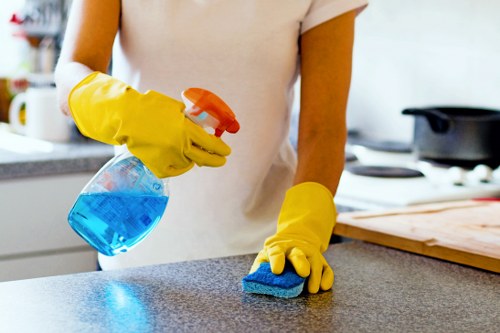
Bathrooms require a strong, detailed approach because they combine moisture, heat, and frequent use. Deep cleaning in bathrooms focuses on removing soap scum, mold buildup, water stains, and hidden dirt from hard-to-reach areas. The result is a space that feels cleaner, brighter, and more sanitary.
Shower walls, tubs, sinks, toilets, mirrors, and floors all need special attention. Tile grout can trap grime, while fixtures may develop mineral buildup. Drains and vents also deserve care because they can affect odor and overall freshness. Thorough deep cleaning in bathrooms can noticeably improve the room’s air quality and appearance.
Pay attention to overlooked details such as the edges around sinks, the base of the toilet, behind waste bins, and the corners of the shower. These small areas often collect dust and moisture that routine cleaning does not fully remove. Deep cleaning in the bathroom helps prevent these issues from becoming long-term problems.
Bathroom Deep Cleaning Checklist
- Scrub the tub, shower, and tiles
- Clean grout and caulking
- Disinfect sink, toilet, and handles
- Polish mirrors and fixtures
- Wash mats, curtains, and bath accessories
- Clear and sanitize drains
For many households, deep cleaning in the bathroom is one of the most rewarding tasks because the transformation is immediate and easy to see.
Deep Cleaning in Bedrooms and Living Areas

Bedrooms and living rooms are where people relax, sleep, and spend a large portion of their time. That makes deep cleaning in these areas especially valuable for comfort and wellness. Even if these rooms look tidy, they can still contain dust on surfaces, under furniture, and inside fabrics.
In bedrooms, start with bedding, mattresses, nightstands, closets, and under-bed spaces. Wash linens, vacuum the mattress, and wipe furniture surfaces thoroughly. Closets may also need sorting and dust removal from shelves, corners, and storage bins. A strong deep cleaning in the bedroom can improve the sense of calm and cleanliness.
Living areas often contain upholstery, electronics, shelves, decorative items, and high-traffic flooring. Dust can settle into fabric and corners, while fingerprints may appear on glass, tables, and entertainment units. Deep cleaning in these spaces often means taking time to move items, clean behind them, and refresh every visible surface.
Bedroom Priorities
Mattresses, pillows, bedding, and closet shelving should be part of the process. These areas contribute heavily to overall comfort and should not be overlooked.
Living Room Priorities
Focus on sofas, cushions, rugs, coffee tables, shelves, and electronics. A careful, step-by-step approach ensures a more complete result.
How Often Should Deep Cleaning in a Home Be Done?
The ideal schedule for deep cleaning in a home depends on lifestyle, household size, pets, allergies, and how quickly your space gets dirty. For many families, a seasonal schedule works well. That means deep cleaning in key rooms every three to four months.
Some homes may need it more often. Busy kitchens, bathrooms with heavy moisture, or homes with children and pets may benefit from monthly attention in certain zones. The important thing is to treat deep cleaning as a regular part of home care rather than an occasional emergency task.
If you have a move coming up, expect guests, or notice lingering odors and buildup, it may be time for a more intensive session. Deep cleaning in the right moment can prevent small issues from becoming frustrating larger ones.
Common Deep Cleaning Timelines
- Monthly: high-use spots such as kitchens and bathrooms
- Seasonally: full-home deep cleaning sessions
- Before events: guest-ready cleaning and polishing
- During moves: move-in or move-out deep cleaning
- As needed: after renovations, illness, or heavy use
Tools and Supplies That Make Deep Cleaning in Easier
Having the right tools can make deep cleaning in a home more efficient and less tiring. While you do not need expensive equipment for every job, a thoughtful set of supplies can help you clean more thoroughly and with better results.
Basic tools usually include microfiber cloths, scrub brushes, a vacuum cleaner, a mop, sponges, buckets, gloves, and a selection of safe cleaning solutions. For more detailed work, you might also use grout brushes, crevice tools, extendable dusters, and steam cleaning equipment.
Choosing tools based on the room helps improve your results. For example, a soft cloth may work well for delicate surfaces, while a stiff brush may be necessary for bathroom grout or stove residue. Effective deep cleaning in a home often depends on using the right tool for the right surface.
Helpful Supplies
- Microfiber cloths
- All-purpose cleaner
- Glass cleaner
- Degreaser
- Baking soda and vinegar for certain tasks
- Vacuum attachments and crevice tools
- Scrub brushes and grout brushes
Step-by-Step Approach to Deep Cleaning in Your Home
A structured process helps prevent missed spots and saves time. Deep cleaning in a home becomes much more manageable when you work from top to bottom and room by room. Starting high and finishing low also keeps dust from falling onto already-clean surfaces.
First, declutter the area so surfaces are visible and accessible. Second, dust ceilings, light fixtures, vents, and shelves. Third, move to mid-level surfaces such as counters, furniture, and appliances. Finally, clean floors thoroughly with vacuuming, sweeping, and mopping as needed.
This method works well because it keeps the process organized. A carefully planned deep cleaning in each room avoids wasted effort and helps you notice the difference faster. It also makes it easier to maintain consistency from one cleaning session to the next.
Recommended Order
- Declutter the room
- Dust from top to bottom
- Clean surfaces and fixtures
- Scrub problem areas
- Vacuum or mop floors
- Return items neatly
Common Mistakes to Avoid During Deep Cleaning in
Even with good intentions, some people make mistakes that reduce the effectiveness of deep cleaning in their homes. One common issue is cleaning only visible surfaces while ignoring hidden buildup behind furniture or under appliances. Another mistake is using too much cleaning product, which can leave residue behind.
Skipping safety steps is also a problem. Some cleaners should not be mixed, and some surfaces require gentle products to avoid damage. For example, natural stone, wood, and delicate fixtures may need special care. Successful deep cleaning in a home depends on reading labels and using products responsibly.
Finally, rushing through the process can leave the job incomplete. It is better to clean fewer areas properly than to speed through the entire home with mediocre results. Patience and attention to detail are key parts of any effective deep cleaning routine.
Watch Out For
- Ignoring hidden dust and grime
- Using harsh chemicals on delicate surfaces
- Applying too much cleaner
- Skipping ventilation
- Forgetting high-touch areas
Benefits of Professional Deep Cleaning in a Home
While many homeowners handle cleaning on their own, professional deep cleaning in a home can offer a higher level of detail and convenience. Professionals often bring specialized tools, experience, and systems that help them work efficiently while covering areas that are easy to overlook.
This can be especially helpful for large homes, busy households, post-renovation cleanup, move-related cleaning, or homes that need a fresh start after long periods of buildup. Professional deep cleaning in these situations can save time and reduce stress while delivering excellent results.
Another advantage is consistency. Trained cleaning teams typically follow a structured process, which means fewer missed spots and more reliable outcomes. If your schedule is packed or your home needs significant attention, hiring help may be the most practical option.
When Professional Help Makes Sense
- Before or after moving
- After remodeling or construction
- When allergies or dust are severe
- When time is limited
- When a room needs detailed restoration
Book your service now if you want a cleaner home without sacrificing your time and energy. Contact us today to take the next step toward a fresher space.
How to Maintain Results After Deep Cleaning in
Once your home has been thoroughly cleaned, the next challenge is keeping it that way. Maintenance is easier when you adopt small daily habits that prevent dirt from building up again. Simple routines can extend the results of deep cleaning in your home and reduce the need for constant heavy cleaning.
Try wiping kitchen counters after each use, rinsing bathroom sinks regularly, and vacuuming high-traffic floors on a scheduled basis. Keeping clutter under control also helps surfaces stay cleaner and makes future cleaning easier. Small actions add up quickly.
Another smart approach is to assign weekly mini-tasks to different rooms. This keeps grime from collecting in one place and makes deep cleaning in the future much less overwhelming. Consistency is the real secret to long-lasting cleanliness.
Simple Maintenance Habits
- Put items back in their place daily
- Clean spills right away
- Vacuum or sweep high-traffic areas often
- Wash linens and towels on a schedule
- Dust visible surfaces weekly
- Ventilate rooms to reduce moisture and odors
Final Thoughts on Deep Cleaning in
Deep cleaning in a home is one of the best ways to refresh your space, protect your surfaces, and improve overall comfort. It goes beyond ordinary cleaning by targeting grime, dust, buildup, and hidden messes that accumulate over time. The result is a home that feels healthier, brighter, and more welcoming.
From kitchens and bathrooms to bedrooms and living areas, every room benefits from a detailed approach. With the right plan, tools, and attention to detail, deep cleaning in your home becomes a practical routine rather than a daunting chore. Even small improvements can create a big visual and emotional difference.
If your space needs a reset, now is the perfect time to act. Contact us today to get started, or book your service now and enjoy the results of a professionally refreshed home.