Regular Cleaning: The Smart Way to Maintain a Healthier, More Comfortable Space
Regular cleaning is one of the simplest yet most powerful habits for keeping any space fresh, safe, and inviting. Whether you are caring for a home, apartment, office, storefront, or shared property, regular cleaning helps reduce clutter, control dust, improve hygiene, and create a better environment for everyone. It is not just about appearance. Regular cleaning supports wellbeing, protects surfaces, and can even help reduce long-term maintenance costs.
Many people think of regular cleaning as a task list, but it is much more than that. It is an ongoing routine that prevents dirt from building up and makes deep cleaning far easier when the time comes. With the right plan, regular cleaning can become a manageable part of everyday life rather than a stressful chore. From floors and fixtures to high-touch surfaces and hidden corners, each task contributes to a cleaner, healthier environment.
If you want your space to feel consistently organized and comfortable, regular cleaning should be a top priority. It supports a polished look, reduces allergens, and helps preserve the condition of furniture, appliances, and other materials. In this article, we will explore why regular cleaning matters, how to build an effective routine, and what benefits you can expect from staying consistent.
Why Regular Cleaning Matters for Every Space
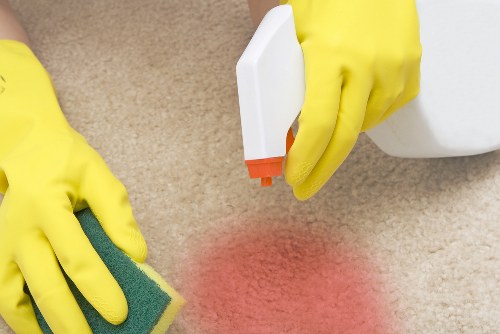
Regular cleaning plays a major role in keeping a space functional and pleasant. Without it, dust accumulates, odors linger, grime spreads, and surfaces wear down more quickly. A clean environment often feels calmer and more organized, which can positively affect focus, comfort, and overall mood. This is why regular cleaning is important not only for homes but also for workplaces, rental properties, retail settings, and shared environments.
One of the biggest advantages of regular cleaning is prevention. When dirt and debris are removed before they settle in, it becomes much easier to maintain a polished appearance. Small cleaning tasks done frequently are far more effective than waiting until messes become severe. That means less scrubbing, fewer stubborn stains, and less time spent correcting problems later.
There is also a health benefit. Regular cleaning helps reduce dust, pet dander, pollen, bacteria, and other irritants that can affect breathing and comfort. For people with allergies or sensitivities, maintaining a consistent cleaning schedule can make a noticeable difference. In shared or busy spaces, this habit also supports better hygiene and a more professional image.
The Core Benefits of Regular Cleaning
The benefits of regular cleaning go far beyond a tidy appearance. A consistent routine can improve how a property looks, feels, and functions day after day. It can also save time and money by preventing damage and reducing the need for intensive restoration work. When regular cleaning is done well, it becomes an investment in the long-term condition of the space.
Here are some of the most important benefits:
- Better hygiene: Regular cleaning removes germs, dust, and buildup from frequently used areas.
- Improved comfort: Clean surroundings feel more relaxing and enjoyable.
- Longer-lasting surfaces: Floors, counters, and fixtures stay in better shape when maintained regularly.
- Reduced stress: A cleaner environment often feels less overwhelming and easier to manage.
- More efficiency: Daily and weekly cleaning tasks take less time than major cleanup sessions.
Another major benefit of regular cleaning is the positive impression it creates. Whether someone is entering a home, office, or business, cleanliness sends a strong message about care and organization. A well-maintained space often feels more trustworthy, more welcoming, and more professional. This is why regular cleaning is especially valuable in customer-facing environments.
Building a Practical Regular Cleaning Routine
A successful regular cleaning routine starts with consistency. Instead of trying to clean everything at once, break tasks into smaller steps and assign them to daily, weekly, and monthly schedules. This approach makes regular cleaning more realistic and less tiring. It also ensures that the most important areas are always under control.
Start by identifying the spaces that need the most attention. Kitchens, bathrooms, entryways, desks, and high-traffic floors usually require more frequent cleaning than guest rooms or storage areas. From there, decide how often each task should be done. A good routine balances practical maintenance with the amount of time available.
For example, daily tasks may include wiping counters, taking out trash, and sweeping visible debris. Weekly tasks might involve mopping floors, vacuuming carpets, cleaning mirrors, and sanitizing surfaces. Monthly tasks can include dusting vents, washing baseboards, and reorganizing cluttered areas. This layered approach to regular cleaning makes it easier to stay on top of everything.
Daily Cleaning Tasks
Daily cleaning is the foundation of a reliable routine. These small actions help stop mess from building up and make the environment feel fresh every day. Even 10 to 15 minutes of attention can make a big difference when done consistently.
Examples of daily tasks
- Clear counters and tables
- Wash dishes or load the dishwasher
- Wipe spills immediately
- Take out trash when needed
- Quickly tidy high-traffic areas
Where Regular Cleaning Has the Biggest Impact
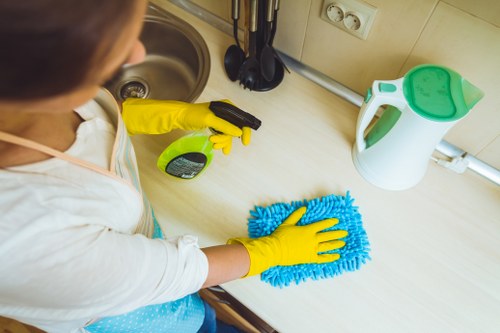
While every part of a space benefits from upkeep, some areas deserve extra attention because they are used frequently and collect dirt faster. Regular cleaning in these zones makes the biggest difference in hygiene, appearance, and overall comfort. Focusing on these spaces first can help you get better results without spending unnecessary time on less-used areas.
Kitchens are one of the most important areas for regular cleaning. Food particles, grease, and spills can quickly create odors and attract pests. Countertops, sinks, appliance handles, and stovetops should be cleaned regularly to keep the area sanitary and pleasant. Floors also need frequent attention, especially in homes or businesses with heavy kitchen use.
Bathrooms also require steady upkeep. Because bathrooms are high-moisture areas, they are more likely to develop soap residue, mildew, and unpleasant odors if neglected. Regular cleaning helps keep sinks, toilets, showers, mirrors, and floors in good condition. It also helps maintain a fresher and more inviting space for residents, employees, or guests.
Entryways and Hallways
Entryways and hallways often collect dirt quickly because they are the transition points between indoor and outdoor spaces. Shoes bring in dust, mud, and debris, while walls and doors may show fingerprints or scuffs. Regular cleaning in these areas helps keep the entire property looking cared for and organized.
Helpful entryway habits
- Use mats to reduce tracked-in dirt
- Vacuum or sweep often
- Wipe door handles and switches
- Keep shoes and coats organized
Regular Cleaning in Homes, Workplaces, and Shared Properties
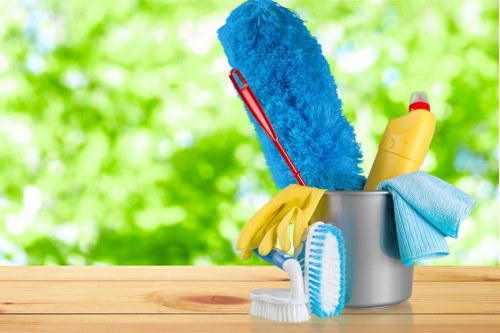
Regular cleaning is valuable in every type of environment, but the priorities can change depending on how the space is used. A family home may need more attention in kitchens, bathrooms, and play areas. An office may need regular cleaning of desks, conference rooms, break areas, and shared electronics. A retail space may focus on floors, displays, restrooms, and customer touchpoints.
For homes, regular cleaning supports a more comfortable daily routine. It helps keep family life organized and reduces the likelihood of clutter becoming overwhelming. In busy households, assigning small tasks to different people can make the routine easier to manage. Children can also participate in age-appropriate cleaning habits, helping them learn responsibility and organization.
In workplaces, regular cleaning contributes to productivity and professionalism. Employees often work better in a neat, orderly environment, and visitors notice when a business takes cleanliness seriously. Shared properties, such as apartments or common areas, also benefit from regular cleaning because they are used by many people and need consistent attention to remain safe and presentable.
Office Cleaning Priorities
Offices need routines that reduce dust, maintain hygiene, and keep shared surfaces clean. Workstations, keyboards, phones, conference tables, and restrooms should be included in a regular cleaning plan. This helps support both employee comfort and a professional atmosphere.
- Disinfect high-touch surfaces
- Empty bins regularly
- Vacuum carpets and rugs
- Keep break rooms sanitary
- Refresh restrooms throughout the day
How Regular Cleaning Supports Health and Wellbeing
One of the most important reasons to maintain regular cleaning is the effect it has on health. Clean spaces can reduce exposure to dust, allergens, bacteria, and mold-related conditions that may worsen allergies or discomfort. When surfaces are regularly wiped and floors are maintained, the air and environment often feel fresher and more breathable.
Regular cleaning can also influence mental wellbeing. Clutter and mess often create visual stress, while organized environments tend to feel calmer and more manageable. Many people find that a clean room helps them concentrate better, relax more easily, and feel more in control of their surroundings. This emotional benefit is one reason regular cleaning remains such a valuable habit.
In environments where people gather often, regular cleaning supports shared wellbeing by reducing the spread of contaminants. Door handles, switches, countertops, and other common touchpoints should be included in routine cleaning to promote better hygiene. This is especially important in families, schools, offices, and busy commercial spaces.
Simple ways regular cleaning improves wellbeing
- Reduces airborne dust
- Limits germs on shared surfaces
- Improves visual order
- Creates a more relaxing atmosphere
Choosing the Right Products and Tools
The effectiveness of regular cleaning often depends on using the right tools. Microfiber cloths, vacuum cleaners, mops, sponges, and appropriate cleaning solutions can make tasks faster and more efficient. Choosing products that match the surface being cleaned helps protect materials and improve results.
For example, wood floors need gentle care, while kitchen grease may require a stronger degreaser. Glass surfaces benefit from streak-free cleaners, and bathrooms may require disinfecting products designed for moisture-prone areas. The goal is not to use the most powerful product available, but the one best suited to the task.
Making Regular Cleaning Easier to Maintain
Many people struggle with consistency, not because regular cleaning is difficult, but because life gets busy. The key is to make the routine simple enough to follow. When tasks are realistic and well organized, regular cleaning becomes easier to maintain over time. Even a modest routine can deliver strong results if it is followed consistently.
One effective method is to create cleaning zones. Instead of trying to clean the whole property each day, focus on one area at a time. Another useful strategy is to pair cleaning with daily habits. For example, wipe the bathroom sink after brushing your teeth, or tidy the kitchen after preparing meals. These small habits support regular cleaning without making it feel burdensome.
It also helps to keep supplies accessible. When cleaning products and tools are easy to reach, there is less resistance to doing quick tasks. A well-stocked cleaning caddy, organized storage area, or labeled supply shelf can make regular cleaning faster and more efficient. Convenience often leads to consistency.
Smart tips for staying consistent
- Create a weekly task list.
- Set reminders for recurring jobs.
- Keep essentials in convenient locations.
- Assign responsibilities when possible.
- Review the routine every month and adjust it as needed.
Regular Cleaning vs. Deep Cleaning
Regular cleaning and deep cleaning are closely connected, but they are not the same. Regular cleaning focuses on everyday maintenance and preventing buildup. Deep cleaning is more detailed and usually targets hard-to-reach places, heavy buildup, or areas that have been neglected for a while. Both are important, but regular cleaning makes deep cleaning less frequent and less demanding.
Think of regular cleaning as the maintenance layer. It keeps the environment stable, fresh, and manageable. Deep cleaning is the reset layer. It tackles the areas that routine cleaning does not always cover, such as behind appliances, inside cabinets, grout lines, and ceiling corners. When regular cleaning is done properly, deep cleaning becomes much easier and more effective.
This is one reason property owners and managers value regular cleaning so highly. It helps prevent damage, preserves finishes, and reduces the need for costly corrective work. Over time, the savings in effort and expense can be significant. In many cases, the best approach is to combine regular cleaning with periodic deeper attention to keep the space in excellent condition.
Signs Your Space Needs More Attention
Sometimes a cleaning routine needs to be adjusted. If a space starts looking dull, smelling stale, or feeling harder to maintain, it may be time to increase the frequency of certain tasks. Regular cleaning should adapt to usage, season, and the number of people in the space.
- Dust returns quickly after cleaning
- Floors look dirty soon after maintenance
- Bathrooms develop odors or residue
- Kitchens feel greasy or cluttered
- Shared surfaces appear worn or sticky
How to Make Regular Cleaning Part of Everyday Life
To make regular cleaning truly effective, it should fit naturally into your lifestyle. Start small and build gradually. Instead of aiming for perfection, aim for steady improvement. A simple routine followed consistently is often more effective than an ambitious plan that is too hard to sustain.
It can also help to think in terms of prevention rather than correction. When you wipe up spills immediately, put items back in place, and clean high-touch areas often, you avoid bigger problems later. This mindset makes regular cleaning feel more purposeful and less like an endless cycle of chores.
Whether you are managing a home or a business, a thoughtful routine can create a lasting difference. Clean spaces are easier to enjoy, easier to manage, and easier to keep in good shape. That is the real value of regular cleaning: it supports comfort, appearance, and long-term care at the same time.
Action steps you can start today
- Choose 3 daily cleaning tasks
- Set 3 weekly maintenance tasks
- Identify the highest-traffic areas
- Stock the supplies you use most
- Review progress once a week
Final Thoughts
Regular cleaning is one of the most practical ways to maintain a healthier, more organized, and more inviting environment. It supports hygiene, improves comfort, and protects the condition of your space over time. With a clear routine and a consistent mindset, regular cleaning becomes much easier to manage and far more rewarding.
If you want a space that looks better, feels better, and stays easier to maintain, now is the time to make regular cleaning a priority. Book your service now or contact us today to take the next step toward a cleaner, fresher environment.