End of Tenancy Cleaning: A Practical, Thorough, and SEO-Friendly Approach to Getting Your Property Ready
Why end of tenancy cleaning matters

End of tenancy cleaning is one of the most important tasks at the end of a rental agreement. Whether you are a tenant preparing to move out, a landlord getting a property ready for new occupants, or a letting agent coordinating a handover, the condition of the property can affect deposits, turnaround time, and first impressions. A clean, fresh home makes the move-out process smoother and helps avoid unnecessary disputes.
For tenants, professional end of tenancy cleaning can be the difference between a full deposit return and a costly deduction. For landlords, it helps protect the property and supports a faster re-let. In busy rental markets, presentation matters. A spotless kitchen, polished bathroom, dust-free skirting boards, and clean carpets can significantly improve the appeal of a property.
At its core, end of tenancy cleaning is more than a standard tidy-up. It is a detailed, room-by-room clean designed to restore the property to an acceptable condition according to the tenancy agreement. That means paying attention to areas that are often overlooked in day-to-day cleaning, such as behind appliances, inside cupboards, light fittings, extractor fans, and hard-to-reach corners.
What end of tenancy cleaning includes

Many people search for end of tenancy cleaning because they want to know exactly what is expected. While requirements can vary depending on the tenancy contract, most services focus on deep cleaning the entire property. This usually includes kitchens, bathrooms, bedrooms, living spaces, hallways, and utility areas.
Below is a typical list of tasks included in a professional move-out cleaning service:
- Dusting and wiping all surfaces
- Cleaning inside and outside cupboards and drawers
- Degreasing kitchen appliances and splashbacks
- Scrubbing sinks, taps, baths, showers, and toilets
- Vacuuming and mopping floors
- Removing cobwebs and dust from ceilings and corners
- Cleaning skirting boards, doors, and frames
- Wiping switches, sockets, and handles
- Cleaning windows internally
- Removing limescale, stains, and general grime
Some properties may also require extras such as carpet cleaning, oven cleaning, upholstery care, and balcony or conservatory cleaning. The exact scope should always be checked against the inventory and checkout expectations. End of tenancy cleaning works best when it is tailored to the property rather than treated as a one-size-fits-all job.
How to prepare before cleaning begins

Preparation is a key part of successful end of tenancy cleaning. Before the deep clean starts, it is helpful to remove personal belongings, unwanted items, and anything that could block access to surfaces. Empty rooms allow cleaners to work more efficiently and ensure nothing gets missed behind furniture or in storage spaces.
It is also wise to check the tenancy agreement and the inventory report. These documents often outline the expected condition of the home at move-out. If there were existing marks, wear and tear, or damaged items at the start of the tenancy, those should be documented. This helps separate fair wear and tear from genuine cleaning issues.
A useful preparation checklist for tenants includes the following:
- Remove all personal items from cupboards, shelves, and wardrobes
- Defrost and empty the freezer if needed
- Take down temporary fixtures such as command hooks or removable decorations
- Dispose of rubbish and recycling properly
- Report repairs or damage before the final inspection
- Arrange access to electricity and water for cleaning tasks
End of tenancy cleaning becomes much easier when the property is cleared and ready. The result is a more effective deep clean and a better chance of meeting the landlord’s or agent’s expectations.
Room-by-room approach to end of tenancy cleaning
A structured approach is the best way to achieve excellent end of tenancy cleaning results. Each room has different priorities, and tackling them one by one helps ensure that nothing is overlooked. Rather than rushing from task to task, focus on detail and consistency.
Kitchen cleaning is usually the most time-consuming part of the job. Grease, food residue, and hidden dirt accumulate in this area quickly. A thorough kitchen clean should include the oven, hob, extractor hood, sink, taps, tiles, worktops, splashbacks, and all appliance exteriors. Cupboards should be emptied and wiped inside and out. If the refrigerator or freezer is included, they should be defrosted, cleaned, and dried carefully.
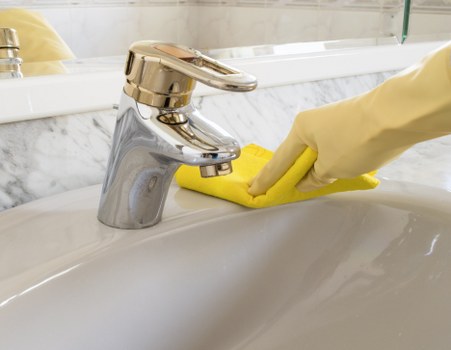
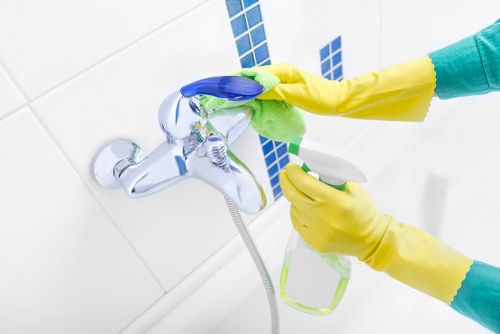
Bathrooms require another level of attention. Soap scum, limescale, and moisture can build up on tiles, glass, fixtures, and fittings. A proper bathroom clean includes descaling taps and showerheads, sanitising the toilet, wiping mirrors, scrubbing the basin, polishing chrome, and disinfecting all touchpoints. In end of tenancy cleaning, bathrooms are often assessed closely during inspections, so detail matters.
Living rooms and bedrooms
These spaces may appear simpler, but they still need proper care. Dust often collects on skirting boards, light fittings, radiators, and behind furniture. Windows, mirrors, shelves, wardrobes, and door handles should be wiped clean. Floors should be vacuumed or mopped depending on the surface. If carpets are present, a deep carpet clean may be necessary to remove stains, pet hair, and odours.
Common mistakes to avoid during end of tenancy cleaning
Even careful tenants can make mistakes when handling end of tenancy cleaning. One of the most common errors is leaving the job too late. A rushed clean often leads to missed areas and unnecessary stress. Starting early allows time for detailed work and any follow-up tasks that may be needed after inspection.
Another mistake is only cleaning what is visible. Landlords and inventory clerks often check places that are easy to forget, such as inside cupboards, behind appliances, under beds, along edges of flooring, and around door frames. If these areas are dirty, the property may be considered inadequately cleaned, even if the main rooms look tidy.
Here are some frequent end of tenancy cleaning mistakes to avoid:
- Using the wrong cleaning products on delicate surfaces
- Ignoring limescale in bathrooms
- Forgetting light switches, sockets, and handles
- Leaving stains on carpets or upholstery
- Neglecting oven and extractor fan cleaning
- Not checking the inventory report before starting
End of tenancy cleaning should be approached with patience and precision. A small amount of extra effort can prevent deductions, delays, and disputes later on.
Why professional end of tenancy cleaning is often the smarter option
Many tenants choose professional end of tenancy cleaning because it saves time and delivers a high standard of results. Moving house is stressful enough without adding hours of deep cleaning, scrubbing, and polishing. A trained cleaning team brings the right equipment, techniques, and products to handle tough jobs efficiently.
Professional services are especially useful for properties with stubborn dirt, heavy kitchen grease, neglected bathrooms, or carpet stains. They can also help when there is limited time between moving out and the final inspection. In those cases, expert cleaners can complete the work quickly while maintaining quality. This is one reason why end of tenancy cleaning is a popular option for busy households, professionals, families, and students.
There are also practical advantages. A reputable service often follows a checklist aligned with landlord and letting agent expectations. That means more thorough coverage and fewer chances of missing important areas. Some providers also offer an optional re-clean period if the property does not meet the required standard after inspection. For many people, that peace of mind is worth the investment.
Benefits of hiring professionals
Professional cleaners can provide:
- Time savings during a busy move
- Better results on tough dirt and stains
- Access to specialist cleaning tools
- Reduced risk of missing important areas
- Greater confidence during the final inspection
How landlords and letting agents benefit from clean properties
End of tenancy cleaning is not only for tenants. Landlords and letting agents also benefit from a well-cleaned property. A clean home is easier to market, photograph, and show to prospective tenants. It creates a positive impression and can help secure a new tenancy faster.
Clean properties also make maintenance checks simpler. When a property has been properly cleaned, issues such as leaks, broken fixtures, mould, or wear and tear are easier to spot. This supports quicker repairs and better long-term care of the building. In addition, a properly cleaned home can reduce complaints from incoming tenants, improving overall satisfaction and reducing vacancy time.
For landlords, end of tenancy cleaning is also a protection measure. It helps keep the property in good condition between tenancies and can preserve the value of flooring, appliances, and fittings. When the turnover process is efficient, everyone benefits.
The role of inventory and checkout reports
Inventory reports and checkout reports are central to the process. They provide a comparison between the property’s condition at the start and end of the tenancy. Cleaners and tenants should use these documents as references when preparing the property. If the report shows that a specific appliance, room, or surface was clean at move-in, it should be returned to a similar condition if possible.
End of tenancy cleaning and deposit returns
One of the biggest reasons tenants book end of tenancy cleaning is to improve the chances of receiving their deposit back in full. Deposit deductions often happen when the property is left dirty, greasy, stained, or incomplete. Even if a tenant has otherwise taken good care of the home, poor cleaning can still lead to charges.
Deposit disputes are common when expectations are unclear. That is why documentation matters. Before moving out, tenants should compare the current condition of the property with the original inventory. If cleaning standards are high, photos can also help demonstrate that the home was left in acceptable condition. A professional end of tenancy cleaning service can support this process by providing a consistent and verifiable result.
It is important to remember that fair wear and tear is not the same as dirt or neglect. Normal ageing of fixtures, paintwork, or flooring is expected in most rented homes. However, dust, stains, grease, mould, and debris are not. Addressing those issues properly is what makes end-of-tenancy cleaning so valuable.
Practical tips for a successful move-out clean
Good planning makes end of tenancy cleaning much easier. Start with the rooms that need the most effort, such as the kitchen and bathroom. Work methodically from top to bottom so dust and debris fall onto areas that have not yet been cleaned. Use suitable products for each surface and always test where necessary.
A few practical tips can make a big difference:
- Open windows to improve ventilation while cleaning
- Use microfiber cloths for better dust removal
- Allow enough time for soaking and descaling
- Clean one room at a time for better focus
- Check hidden spaces like behind radiators and appliances
- Finish with floors so the room looks completely refreshed
For homes with pets, children, or heavy use, end of tenancy cleaning may require extra attention to carpets, corners, and upholstery. Pet hair, odours, and marks can be stubborn, so it is best to deal with them early rather than leaving them until the last minute.
When to schedule end of tenancy cleaning
Timing matters. Ideally, end of tenancy cleaning should happen after all belongings have been removed but before the final inspection. This ensures every area is accessible and can be cleaned properly. If the property is still full of boxes or furniture, some important areas may be missed.
Many tenants schedule the clean on the same day as moving out or the day before the handover. If professional cleaners are being used, booking in advance is sensible because availability can be limited during busy periods such as month-end and university moving seasons. Early booking also gives time to add extra tasks like carpet cleaning, appliance cleaning, or window cleaning if needed.
If repairs or maintenance are required, it is usually better to complete them before the final clean. Dust from drilling, filler, or repainting can undo cleaning work if done too early. A well-timed end of tenancy cleaning session helps the property look its best when the inspection takes place.
Signs it is time to book
You may want to arrange professional help if:
- You have limited time before moving out
- The property has heavy grime or built-up dirt
- There are carpets, ovens, or bathrooms needing deep attention
- You want a more reliable chance of deposit return
- You prefer to reduce moving stress
Choosing the right cleaning standard
Not all cleaning is equal, and that is especially true for end of tenancy cleaning. A surface-level clean may make the property look tidy, but it may not meet the standard expected during checkout. The right approach is deep, detailed, and systematic. It should address visible and hidden dirt, odours, and residue across the whole home.
When comparing options, look for services that use a checklist, cover a wide range of tasks, and understand tenancy expectations. A strong service should focus on kitchens, bathrooms, appliances, floors, cupboards, and fixtures. If carpets or upholstery are included, make sure the provider has the necessary equipment and products to handle the job properly.
For tenants, selecting the right standard is about protecting the deposit and keeping the process smooth. For landlords, it is about presenting the property well and ensuring a quicker handover. Either way, end of tenancy cleaning plays a central role in a successful tenancy transition.
Final thoughts on end of tenancy cleaning
End of tenancy cleaning is a crucial part of moving out and preparing a property for its next chapter. It affects deposit returns, inspection outcomes, and the overall condition of the home. A thorough clean helps tenants leave on good terms, supports landlords in presenting a property well, and reduces stress for everyone involved.
Whether you choose to do the job yourself or hire professionals, the key is detail. Focus on the kitchen, bathroom, floors, fixtures, appliances, and often-forgotten corners. Use the inventory as a reference, allow enough time, and make sure every room is left in a fresh, tidy state. With the right approach, end of tenancy cleaning becomes a straightforward process rather than a source of last-minute panic.
If you are preparing for a move, now is the perfect time to act. Contact us today to arrange a tailored cleaning solution, or book your service now to make your move-out process easier and more efficient. A professional end of tenancy cleaning service can help you save time, reduce stress, and leave the property in excellent condition.