Insurance and Safety
 Keeping people, property, and projects protected is at the heart of our insurance and safety approach. Whether work takes place on a commercial site, in a public space, or within a private setting, every task is planned with care to reduce risk and ensure a safe environment. Our insurance coverage supports this commitment by helping to protect against unexpected events, while our day-to-day safety procedures are designed to prevent incidents before they happen.
One of the key elements of our protection strategy is public liability insurance. This type of cover is essential for activities that involve interaction with clients, members of the public, or third-party property. It provides reassurance that, in the unlikely event of accidental damage or injury, there is a clear framework in place to manage the situation responsibly. For us, liability cover is not just a policy; it is part of a broader culture of accountability and professionalism.
We also place great importance on staff training. Every team member is expected to understand safe working methods, correct equipment use, and the procedures relevant to their role. Training is not treated as a one-time requirement. Instead, it is refreshed regularly to make sure our people stay informed about current insurance and safety standards, changing conditions, and best practice. This helps build confidence, improves consistency, and supports a safer outcome on every job.
Protecting People Through Preparation
 Our training culture includes practical instruction as well as awareness of hazards that may arise during daily operations. Team members are taught to identify risks early, report concerns promptly, and act in line with approved safety measures. By combining knowledge with experience, we ensure that our workforce is ready to handle tasks carefully and competently. This approach strengthens our overall safety management and complements our insurance arrangements.
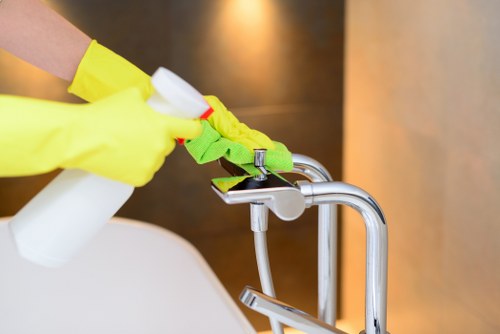
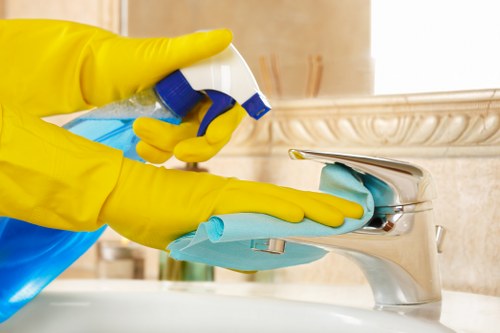
Another essential part of our approach is the correct use of PPE, or personal protective equipment. Depending on the task, this may include helmets, gloves, eye protection, high-visibility clothing, respiratory protection, or safety footwear. PPE is selected according to the specific hazards involved, and employees are trained to wear, inspect, and maintain it properly. Although PPE is often the final line of defence, it plays a major role in reducing the likelihood and severity of injury.
The use of PPE is always supported by supervision and clear working instructions. We do not rely on equipment alone to keep people safe. Instead, personal protection is part of a wider system that includes planning, communication, and hazard control. This integrated method helps us maintain reliable insurance and safety compliance while also demonstrating a practical commitment to wellbeing.
Our Risk Assessment Process
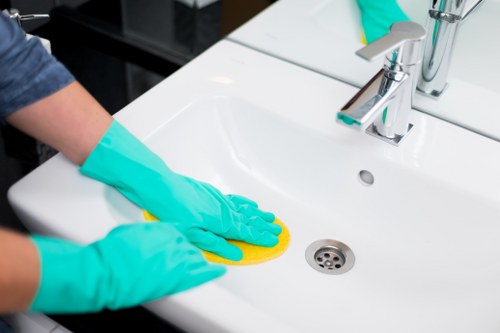 A strong risk assessment process underpins every activity we carry out. Before work begins, potential hazards are identified and reviewed, including site conditions, equipment use, access arrangements, environmental factors, and the presence of others nearby. Each risk is then evaluated based on how likely it is to occur and the level of impact it could have. This structured method allows us to put suitable controls in place before any work starts.
Once the initial assessment is complete, control measures are documented and shared with the relevant team members. These measures may include isolating hazards, adjusting methods of work, using specific PPE, or introducing additional supervision. We also review the plan as circumstances change, since even well-prepared projects can develop new risks. This ongoing process ensures that our safety procedures remain effective and responsive rather than static.
Risk assessments are not simply paperwork; they are a practical tool for improving decision-making. By examining conditions in advance, we reduce the chance of accidents and protect the integrity of our operations. The process also supports our public liability insurance by showing that reasonable steps have been taken to prevent harm. In this way, planning and protection work together to create a safer and more secure working environment.
Maintaining High Standards Every Day
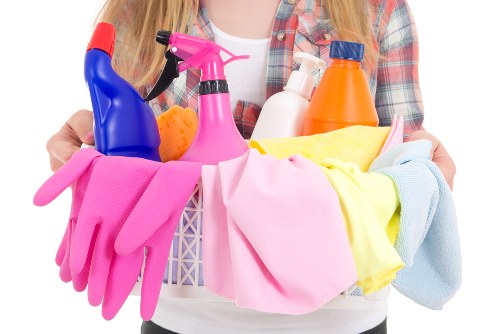 We believe that good insurance and safety practice depends on consistency. Safe behaviour is encouraged at every stage, from preparation and setup to completion and review. Supervisors play an important role by checking that procedures are being followed and that staff remain aware of changing conditions. When issues arise, they are addressed quickly so that small concerns do not become larger problems.
Documentation is another important part of our system. Training records, safety checks, and assessment notes are kept up to date so that responsibilities are clear and processes can be tracked. This supports accountability and helps reinforce a professional approach to risk control. It also means that our insurance coverage is backed by clear evidence of careful management and responsible working practices.
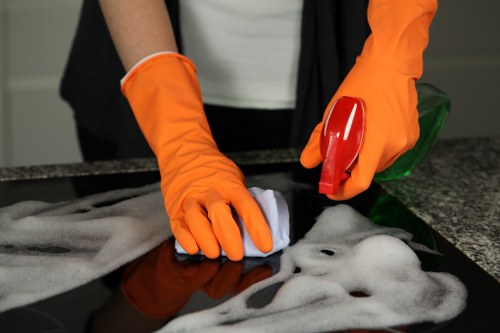 In every project, our aim is to combine preparation, protection, and professionalism. Through public liability cover, regular staff training, suitable PPE, and a thorough risk assessment process, we create a framework that supports safe and dependable service. This commitment reflects our belief that strong insurance and safety standards are essential not only for compliance, but for delivering work with care and confidence.