Communal Area Cleaning: Creating Safer, Healthier, and More Welcoming Shared Spaces
Communal area cleaning plays a vital role in keeping shared environments safe, attractive, and comfortable for everyone who uses them. Whether it is an apartment block, office building, school, care facility, or mixed-use property, well-maintained shared spaces shape first impressions and influence daily experiences. Clean communal areas do more than look tidy; they help reduce the spread of germs, improve hygiene, support property value, and create a stronger sense of pride among occupants.
For property managers, landlords, facility teams, and residents, communal area cleaning is often one of the most visible services within a building. Stairwells, corridors, lobbies, lifts, entrance mats, handrails, and shared washrooms all accumulate dust, fingerprints, litter, mud, and bacteria quickly. A reliable cleaning routine keeps these high-traffic spaces in excellent condition and prevents minor mess from becoming a larger problem.
In this article, we explore what communal area cleaning includes, why it matters, what tasks should be carried out, and how to build a practical cleaning schedule that suits different types of properties. You will also learn about standards, safety, frequency, seasonal needs, and the benefits of professional cleaning support. If you want a cleaner, fresher shared environment, this content will help you understand the best approach and the value of investing in communual area cleaning done properly.
What Communal Area Cleaning Means
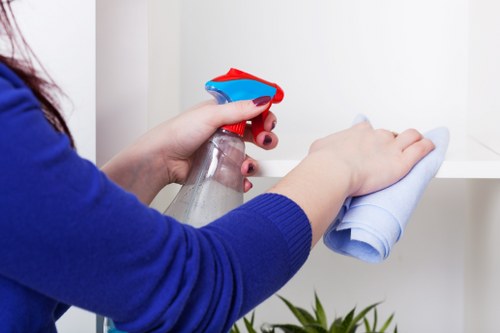
Communal area cleaning refers to the regular upkeep of spaces used by multiple people in a building or complex. These areas are not privately owned or occupied by one person; instead, they are shared by residents, employees, visitors, customers, or tenants. Because of the level of foot traffic and shared use, these spaces need frequent attention and consistent cleaning standards.
Typical communal area cleaning includes vacuuming carpets, sweeping and mopping hard floors, wiping down surfaces, sanitizing touchpoints, emptying bins, and keeping entrances clear of debris. In some buildings, it may also involve cleaning lift interiors, reception desks, shared kitchens, washrooms, and outdoor access areas. The exact scope depends on the property type and usage levels.
One of the most important aspects of communal area cleaning is consistency. A space that is cleaned once in a while may still look neglected if it is heavily used each day. Regular cleaning schedules ensure that shared spaces remain safe, presentable, and hygienic. This is especially important in environments where people come and go throughout the day, such as apartment blocks, business centers, and healthcare facilities.
Why Communal Area Cleaning Matters

The importance of communal area cleaning goes beyond visual appearance. Clean shared spaces have a direct effect on health, safety, and comfort. Dust, spilled drinks, food residue, and litter can attract pests, create unpleasant odors, and contribute to the spread of illness. In busy environments, neglected areas can quickly become a source of frustration for everyone using the building.
Another major benefit is safety. Slippery floors, cluttered entrances, and dirty staircases increase the risk of slips, trips, and falls. Regular communal area cleaning helps identify hazards early and keeps pathways clear. It also supports compliance with building maintenance expectations and workplace health standards where relevant.
There is also a strong psychological benefit. When people enter a clean and organized shared space, they feel more comfortable, respected, and at ease. Communal area cleaning contributes to a positive atmosphere, which can improve tenant satisfaction, staff morale, and visitor impressions. In residential settings, it can even encourage better care from occupants, creating a cleaner community overall.
Key Areas Included in Communal Area Cleaning
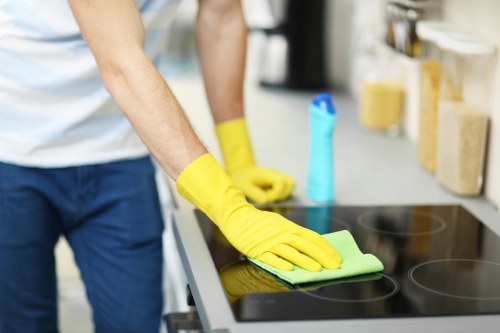
Every building is different, but most communal area cleaning programs focus on the same core zones. These areas tend to collect the most dirt and require the most frequent attention. Understanding what should be included helps property owners and managers avoid missed spots and maintain consistent standards.
- Entrance halls and lobbies: These are the first areas people see, so they must remain clean and welcoming.
- Corridors and hallways: High-traffic passageways gather dust, marks, and debris quickly.
- Staircases and landings: Often overlooked, these areas need regular sweeping, vacuuming, and handrail wiping.
- Lifts and elevator cabins: Touchpoints, mirrors, buttons, and floors should be disinfected frequently.
- Shared kitchens and break rooms: Food preparation spaces need hygienic cleaning to prevent contamination and odors.
- Communal washrooms: Toilets, sinks, mirrors, and dispensers require strict sanitation practices.
- Bin stores and waste points: These areas must be managed carefully to control smells and pests.
- Outdoor entrances and pathways: Litter, mud, and weather debris should be removed routinely.
Depending on the property, communal area cleaning may also include cleaning glass doors, skirting boards, noticeboards, light switches, mail areas, and shared furniture. The more thoughtfully the cleaning plan is built, the more effective the results will be.
Benefits of Professional Communal Area Cleaning
Cleaner appearance, better hygiene, and stronger property value
Professional communal area cleaning offers a level of consistency and attention that is difficult to achieve without a structured service. Trained cleaners understand which areas need daily care, which products are suitable for different surfaces, and how to clean shared spaces efficiently without disrupting residents or workers.
For property owners and managers, a professional service reduces the burden of trying to maintain cleaning standards internally. This is especially useful in larger buildings where multiple zones must be managed at the same time. Professional teams can create tailored schedules, record completed tasks, and adapt the service as building use changes over time.
There are also financial benefits. Clean and well-maintained communal areas can help preserve flooring, fixtures, and fittings for longer. Dirt and moisture can wear surfaces down faster, while neglected stains may cause permanent damage. By investing in regular communal area cleaning, building operators often reduce future repair and replacement costs.
Extra value for different property types
In residential blocks, communal area cleaning can improve tenant retention and reduce complaints. In office buildings, it supports productivity and professional presentation. In schools, it supports student wellbeing and helps staff maintain a healthy environment. In hospitality and mixed-use settings, it protects brand reputation and enhances visitor experience. Clean shared areas send a clear message of care, order, and responsibility.
How Communal Area Cleaning Should Be Carried Out
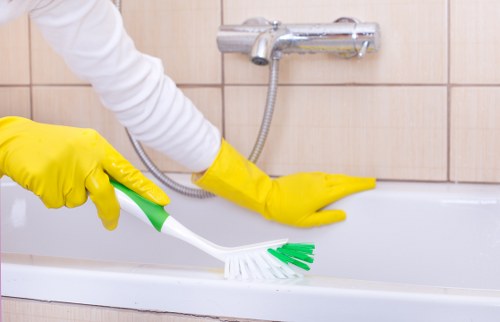
A good communal area cleaning routine follows a structured plan. Rather than treating all tasks the same, the service should prioritize the most frequently used surfaces and the spaces that present the biggest hygiene risks. This helps ensure that effort is focused where it matters most.
Daily tasks often include sweeping, vacuuming, waste removal, sanitizing touchpoints, and checking for spills. Weekly tasks may include more detailed floor care, polishing surfaces, dusting higher points, and cleaning behind or under moveable items. Monthly or periodic work may include deep cleaning carpets, washing walls, and cleaning less accessible fixtures.
Effective communal area cleaning also requires the right products and equipment. Microfiber cloths, neutral detergents, disinfectants, vacuums with suitable filters, mop systems, and safety signage all help cleaners work efficiently and safely. In some buildings, automatic scrubber dryers or steam cleaning equipment may be used for larger floor areas.
Typical task sequence
- Inspect the area for hazards, spills, and overflow bins.
- Remove litter and empty waste containers.
- Dust and wipe surfaces, handrails, and touchpoints.
- Sweep or vacuum floors before wet cleaning.
- Mop, scrub, or clean floors using the correct method.
- Sanitize high-contact areas such as buttons, handles, and switches.
- Replace consumables where needed, such as soap or paper products.
- Check the finished area for quality and completeness.
This simple but effective workflow helps keep communal area cleaning organized and consistent. It also reduces the chance of missed details, especially in busy or multi-floor properties.
Setting the Right Cleaning Frequency
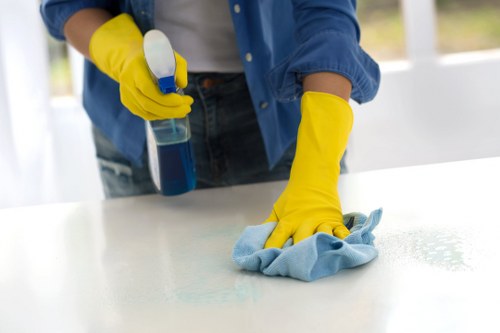
Not every communal space needs the same level of attention, and the right cleaning frequency depends on usage, building size, season, and user expectations. A small residential building may require a few visits a week, while a high-traffic commercial site may need daily or even multiple daily cleans.
Entrances and lobbies usually need the most frequent care because they collect dirt from shoes, rain, and foot traffic. Corridors and stairwells often require regular vacuuming and spot cleaning. Lifts and touchpoints should be cleaned more often, especially where many people share the same surfaces throughout the day.
Seasonal conditions also affect communal area cleaning schedules. During wet months, mud, water, and leaf litter may increase the need for floor care and mat cleaning. In summer, dust, insects, and odors may become more noticeable. Adjusting the cleaning plan throughout the year helps maintain a consistently high standard.
When planning frequency, it is useful to think in terms of zones:
- Daily: entrances, bins, lifts, shared washrooms, and heavy-touch surfaces
- Several times per week: corridors, stairs, landings, and reception areas
- Weekly: detailed dusting, glass cleaning, and surface polishing
- Monthly or quarterly: deep cleaning, floor treatments, and more intensive tasks
A tailored plan makes communal area cleaning more efficient and ensures no space is over-cleaned or neglected.
Health, Hygiene, and Infection Control
Reducing germs in shared spaces
Communal area cleaning is closely tied to hygiene and infection control. In shared environments, germs can spread through door handles, lift buttons, railings, tabletops, and washroom fixtures. Regular cleaning and disinfecting help reduce this risk and support a healthier environment for everyone.
High-touch surfaces are particularly important. These are the places that people touch repeatedly without always thinking about it. By focusing on handrails, switches, call buttons, entry systems, and shared desks, cleaning teams can address some of the most common transmission points.
It is also important to use the right products in the right way. Cleaning removes dirt, while disinfecting helps reduce microorganisms. A well-run communal area cleaning program uses both approaches appropriately. This is especially important in healthcare-adjacent buildings, schools, and busy residential complexes where many different people pass through each day.
Good hygiene practices should also include proper waste handling, ventilating enclosed areas, and preventing damp buildup. Bathrooms, kitchens, and bin rooms can become problem areas if they are not cleaned carefully and regularly. Strong communal area cleaning standards help avoid unpleasant odors, pests, and unsanitary conditions.
Safety and Risk Management in Communal Area Cleaning
Safety should always be a core part of communal area cleaning. Shared spaces contain many potential hazards, including wet floors, loose cables, obstructions, broken glass, and damaged fixtures. Cleaners need to work methodically and use warning signs where necessary to alert building users to temporary hazards.
Risk management also includes using the correct chemicals and following manufacturer instructions. Mixing incompatible cleaning agents can be dangerous, and using the wrong product on a delicate surface can cause damage. Professional cleaners are trained to select safe methods and follow procedures that protect both people and property.
Another safety benefit of communal area cleaning is early problem detection. Cleaning teams often notice issues before anyone else, such as leaks, damaged tiles, broken light bulbs, or signs of pest activity. Reporting these problems quickly can prevent more serious incidents later. This makes cleaning part of wider property maintenance, not just surface appearance.
Practical safety measures
- Place wet-floor signs in visible locations.
- Use PPE where needed, such as gloves and masks.
- Secure cleaning equipment to avoid trip hazards.
- Store chemicals safely and clearly label containers.
- Report defects, spills, or damage immediately.
These precautions support a safer communal area cleaning process and build trust among residents, staff, and visitors.
Communal Area Cleaning for Residential Buildings
In residential properties, communal area cleaning has a direct effect on the daily lives of occupants. Residents use stairwells, lifts, entrances, mail areas, and shared bins regularly, so cleanliness can strongly influence how they feel about their home environment. A fresh, tidy block often feels more secure and better cared for.
Landlords and property managers often find that a structured cleaning schedule reduces complaints and improves overall satisfaction. Residents are less likely to be frustrated by litter, odors, or dirty handrails when they can see that shared spaces are maintained consistently. In addition, regular care helps protect communal flooring, walls, and fixtures from early wear.
Residential communal area cleaning should also account for practical realities like moving day mess, wet weather, pet hair, and recycling areas. These conditions can vary throughout the year, so flexibility is useful. A good service will adapt to the building’s rhythm rather than follow a rigid one-size-fits-all pattern.
Common residential priorities
- Keeping entrances neat and free of mud
- Maintaining clear, odor-free bin areas
- Wiping mailboxes, railings, and door handles
- Vacuuming carpets and stair runners regularly
- Checking for litter and fly-tipping outside
These small but important details make communal area cleaning more effective in apartment blocks and housing developments.
Communal Area Cleaning for Commercial and Public Spaces
Commercial properties have their own expectations when it comes to communal area cleaning. Offices, clinics, retail centers, and public buildings often see a constant flow of people, which means dirt builds up quickly and appearances matter a great deal. Clean common areas support professionalism and help businesses create a positive user experience.
In offices, shared kitchens, lift lobbies, meeting waiting areas, and washrooms can all make an impression on staff and visitors. In public-facing spaces, the standard of cleanliness can shape how trustworthy and organized an organization appears. That is why commercial communal area cleaning often requires more frequent visits and stronger quality control.
Some commercial sites also need after-hours cleaning to avoid disruption. This can include evening or early morning service windows, ensuring that floors are dry and spaces are ready before the building becomes busy again. In properties with multiple tenants, clear coordination is especially important so that cleaning services do not interfere with operations.
For these environments, communication, scheduling, and attention to detail are just as important as the cleaning itself. The best communal area cleaning service adapts to the needs of the site and supports smooth day-to-day use.
Choosing a Communal Area Cleaning Service
Selecting the right communal area cleaning provider involves more than comparing prices. The quality of service, reliability, flexibility, and understanding of the property all matter. A strong provider will assess the site, identify key risks, and recommend a practical cleaning plan based on the building’s usage.
When evaluating a service, it helps to ask about staff training, product selection, quality checks, and reporting methods. A trustworthy team should be able to explain how they handle different surfaces, how they manage health and safety, and how they respond to changing needs. Look for a service that treats communal area cleaning as an ongoing responsibility rather than a one-off task.
It is also helpful to review the provider’s approach to consistency. Are the same tasks completed every visit? Are issues recorded and resolved? Is there a clear escalation path if something is missed? These questions can reveal how serious a company is about maintaining standards.
What to look for
- Experience with similar building types
- Flexible schedules and responsive service
- Clear task lists and cleaning frequencies
- Professional equipment and appropriate cleaning products
- Strong attention to hygiene and safety
- Quality assurance and regular site checks
Choosing carefully ensures your communal area cleaning investment delivers lasting results. If your building needs a stronger standard of cleanliness, book your service now and create a better shared environment for everyone.
Best Practices for Long-Term Results
Long-term success in communal area cleaning comes from good planning, regular review, and a commitment to standards. Buildings change over time, and cleaning plans should change with them. A busy season, new tenants, remodeling work, or weather conditions may all require adjustments to routine tasks or visit frequency.
One of the best practices is keeping a clear cleaning checklist. This helps ensure that each area is covered consistently and gives building managers a simple way to review what has been completed. Checklists also support accountability and make it easier to spot recurring issues.
Another smart practice is combining cleaning with building observation. When cleaners or facility teams notice broken fittings, damaged flooring, or signs of wear, small problems can be fixed before they worsen. This makes communal area cleaning part of a broader maintenance strategy that protects the property and its users.
It is also wise to gather informal input from users of the building, even without formal testimonials or feedback sections. If residents or staff regularly mention a problem area, it may indicate the need for more frequent attention or a different cleaning method. Responding to those patterns improves the service over time.
In the long run, successful communal area cleaning is about reliability, adaptability, and care. When shared spaces are cleaned properly, the entire property benefits.
Conclusion: The Value of Clean Shared Spaces
Communal area cleaning is one of the most important services for maintaining shared buildings and public-facing properties. It supports hygiene, safety, comfort, and presentation while helping preserve the value of the premises. From residential blocks to commercial spaces, clean communal areas make everyday life better and create a more positive impression for everyone who enters.
With the right schedule, the right equipment, and a consistent approach, communal area cleaning becomes a practical investment rather than a simple chore. It helps reduce complaints, improves wellbeing, and ensures that shared spaces remain pleasant and functional all year round. Whether you manage one building or several, prioritizing these areas is a smart decision.
If you want a cleaner, safer, and more welcoming property, make communal area cleaning a priority today. Contact us today to discuss your needs, or book your service now to keep your shared spaces looking their best.