Carpet Cleaning: How to Keep Your Floors Fresh, Healthy, and Long-Lasting
Why Carpet Cleaning Matters in Everyday Living
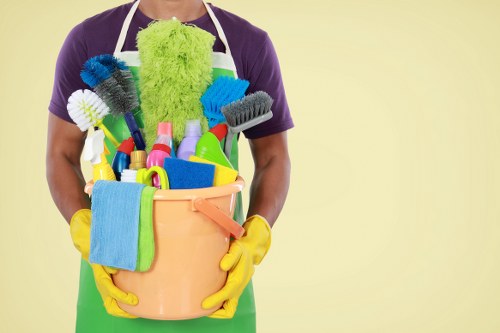
Carpet cleaning is more than a cosmetic task. It protects the appearance of your home, improves indoor air quality, and helps carpets last longer. When fibers collect dust, pollen, pet dander, and everyday debris, the result is not only a dull surface but also a less comfortable living space.
Many people search for carpet cleaning because they notice visible stains, odors, or a flattened texture. Others want to reduce allergens or maintain a healthier environment for children and pets. Whatever the reason, regular care makes a measurable difference. In fact, routine carpet cleaning can extend the life of your flooring and help preserve the original color and softness.
Professional and DIY methods both play a role, but understanding the best approach for your carpet type is essential. From synthetic fibers to wool, every material reacts differently to moisture, heat, and cleaning solutions. The better you understand those differences, the easier it becomes to choose the right treatment and avoid damage.
How Carpets Get Dirty Faster Than Most People Realize
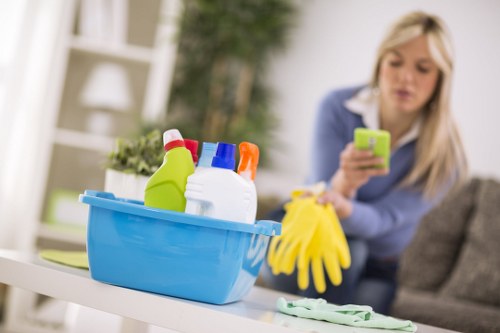
Carpets act like large filters. They trap particles that circulate through the home, including soil from shoes, crumbs, pet hair, smoke residue, and outdoor pollutants. Even if a carpet looks clean on the surface, deeper layers may hold much more buildup than expected. That is why carpet cleaning is not just about removing visible marks.
High-traffic areas such as hallways, entryways, and living rooms typically show wear first. These spaces collect grit that rubs against fibers every time someone walks across them. Over time, that friction can dull the pile and make the carpet look older than it really is. Regular vacuuming helps, but it cannot remove everything lodged below the surface.
Spills are another major factor. Coffee, wine, juice, mud, and grease can set quickly if not addressed right away. The longer a stain sits, the harder it may be to remove. This is why prompt action and proper carpet cleaning techniques are so important for keeping carpets looking fresh and presentable.
Benefits of Professional Carpet Cleaning
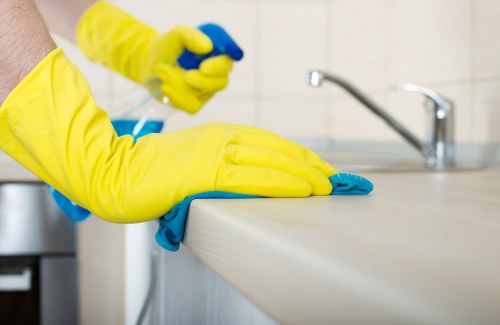
Professional carpet cleaning offers advantages that regular household methods often cannot match. Trained technicians use specialized equipment designed to reach deep into carpet fibers and lift embedded dirt. This can result in a more thorough clean, especially in homes with pets, kids, or heavy foot traffic.
One of the biggest benefits is odor removal. Carpets can absorb smells from food, smoke, pets, and moisture. Surface cleaning may only mask those odors temporarily, while deep extraction can remove the source of the smell. That makes a noticeable difference in the overall comfort of the home.
Another benefit is improved appearance. Professionally cleaned carpets often look brighter and feel softer underfoot. This can enhance the look of an entire room without the cost of replacement. For homeowners preparing for guests, photos, or property showings, carpet cleaning can dramatically improve first impressions.
Common Carpet Cleaning Methods and How They Work
There is no single method that works best for every situation. The right carpet cleaning approach depends on the carpet material, level of soil, and type of stain involved. Below are some of the most common methods used in residential and commercial spaces.
Hot Water Extraction
Often called steam cleaning, hot water extraction is one of the most popular deep-cleaning methods. It uses hot water mixed with cleaning solution, then extracts the liquid along with dirt and debris. This method is widely used because it penetrates deeply and can refresh heavily soiled carpets.
Dry Carpet Cleaning
Dry cleaning methods use minimal moisture and specialized compounds to lift dirt. This approach is useful when carpets need a faster drying time or when moisture must be limited. It is a practical option for some delicate fibers and commercial settings.
Shampooing
Carpet shampooing involves applying a foamy detergent and then agitating the fibers to loosen soil. While it can help with surface dirt, it may leave residue if not rinsed properly. For that reason, it is less common than newer extraction-based methods.
Encapsulation
Encapsulation cleaning uses a solution that crystallizes dirt particles, making them easier to vacuum away once dry. It is often used in business environments because it is efficient and leaves less moisture behind. It can also be helpful for routine maintenance between deeper cleanings.
Choosing the Right Carpet Cleaning Method for Your Home
Selecting the right method starts with knowing your carpet’s construction and condition. Not all fibers respond the same way to water, cleaning agents, or agitation. A method that works beautifully for synthetic carpet might be too aggressive for wool or natural blends. Thoughtful carpet cleaning choices can prevent shrinkage, color loss, or texture damage.
If your carpet has heavy staining or odor problems, deep extraction may be the best route. If the issue is light dust or regular maintenance, low-moisture methods may be enough. Homes with limited drying time may benefit from dry or encapsulation techniques. The key is matching the method to the problem rather than relying on one approach for everything.
Before choosing a cleaning plan, consider these questions:
- Is the carpet synthetic, wool, or a blended material?
- Are you dealing with stains, odors, allergens, or general dust?
- How much drying time can you allow?
- Does the carpet have special manufacturer instructions?
- Has the carpet been cleaned regularly in the past?
DIY Carpet Cleaning Tips That Actually Help
For many households, do-it-yourself maintenance is an important part of keeping floors in good condition. While DIY methods cannot always replace deep professional carpet cleaning, they can help control buildup between service appointments. Used correctly, simple habits make a real difference.
Vacuuming is the first and most important step. A quality vacuum with strong suction and a rotating brush can remove loose dirt before it settles deeper into the pile. High-traffic areas may need vacuuming several times a week, while less-used rooms can be cleaned less often. Slow passes are usually more effective than rushing across the surface.
Spot cleaning also matters. When spills happen, blot the area with a clean cloth rather than rubbing it. Rubbing can spread the stain and push it deeper into the fibers. Use a small amount of the right cleaner, test it first in an inconspicuous area, and work gently. This simple approach can prevent many stains from becoming permanent.
Helpful DIY practices
- Vacuum regularly to remove dust and grit.
- Blot spills quickly with a dry cloth.
- Use carpet-safe cleaners sparingly.
- Rinse lightly if a product leaves residue.
- Allow airflow to help carpets dry faster.
Stain Removal and Odor Control: What Works Best
Stain removal is one of the biggest reasons people seek carpet cleaning support. Different stains require different responses, and timing matters just as much as technique. Acting quickly gives you the best chance of lifting a spill before it bonds with the fibers.
Food and drink stains often respond well to blotting, mild detergent, and water-based cleaning. Grease may need a stronger degreasing agent. Pet accidents usually require not only stain treatment but also odor neutralization, since urine can seep into the backing and padding. For stubborn problems, deep extraction may be the most effective solution.
Odor control is equally important. A carpet can look clean but still hold smells from pets, smoke, moisture, or mildew. Baking soda may help with mild odor issues, but deeper odors often need professional treatment. If a smell returns after cleaning, it may indicate residue trapped below the surface or moisture left in the carpet layers.
To improve stain and odor results, remember these points:
- Respond to spills as quickly as possible.
- Use blotting instead of scrubbing.
- Choose a cleaner suited to the stain type.
- Address the source of odors, not just the surface.
- Dry carpets thoroughly after cleaning.
How Often Should You Schedule Carpet Cleaning?
The ideal cleaning schedule depends on lifestyle, traffic, and household conditions. A quiet home with little foot traffic may need less frequent attention than a busy household with children and pets. Still, most carpets benefit from periodic deep carpet cleaning to remove buildup that vacuuming cannot reach.
As a general rule, many professionals recommend deep cleaning every 12 to 18 months. Homes with pets, allergies, or heavy use may need service more often, sometimes every 6 to 12 months. Commercial spaces may require even more frequent care depending on how many people move through the area each day.
You may need cleaning sooner if you notice dullness, persistent odors, visible staining, or increased allergy symptoms indoors. If the carpet feels sticky, stiff, or rough after vacuuming, residue may have accumulated. That is a good sign it is time for a deeper treatment.
Carpet Cleaning for Homes with Pets and Children
Pets and children bring life and energy into a home, but they also increase the need for regular carpet cleaning. Muddy paws, dropped snacks, accidents, and constant movement can quickly change the condition of a carpet. Fortunately, a practical maintenance routine can keep the space looking and feeling fresh.
For pet owners, odor removal and sanitation are often top priorities. Pet hair can settle deep into the pile, and urine can travel beyond the visible spot. Enzyme-based cleaners may help break down organic matter, while deep extraction can remove lingering residues. For families with small children, choosing cleaning methods with low residue and quick drying can be especially helpful.
It also helps to create simple household habits. Place mats at entrances, remove shoes indoors when possible, and treat accidents immediately. These steps reduce the amount of soil that reaches the carpet and make professional cleaning more effective when it is needed.
Smart habits for busy homes
- Use washable area rugs in heavy-use zones.
- Keep a pet cleanup kit ready.
- Vacuum entryways more frequently.
- Rotate furniture to spread wear evenly.
- Schedule periodic deep cleaning before buildup becomes obvious.
Signs Your Carpet Needs Attention Soon
Sometimes the need for carpet cleaning is obvious, but other times the warning signs are subtle. The carpet may still look acceptable at a glance while hiding debris, oils, and allergens deep in the fibers. Knowing what to watch for can help you act before problems become harder to solve.
One common sign is discoloration in paths where people walk most often. Another is a flattened texture that does not bounce back after vacuuming. Stains that reappear after drying may indicate residue below the surface. If guests or family members mention odors, that is another clue that a deeper cleaning is needed.
Allergy symptoms can also be a hint. Sneezing, coughing, or watery eyes may become more noticeable when carpets hold dust and dander. While carpet is not the only factor in indoor air quality, regular maintenance can certainly help reduce trapped particles and make the environment feel cleaner.
What to Expect from a Professional Carpet Cleaning Service
When you schedule professional carpet cleaning, the process often begins with an inspection. Technicians identify carpet material, note stains, and determine the best cleaning strategy. This assessment matters because a careful plan helps protect delicate fibers while improving results.
Next, the carpet is typically vacuumed or pre-treated to loosen soil. Heavier stains may receive targeted solutions before the main cleaning begins. After that, the selected cleaning method is applied, whether that is extraction, low-moisture treatment, or another process. The goal is to lift dirt without leaving excess residue behind.
Drying time can vary depending on the method used, ventilation, humidity, and carpet thickness. Opening windows, using fans, and improving airflow may speed the process. Once dry, the carpet should feel cleaner, look brighter, and smell fresher. For many homeowners, that refreshed result is the biggest reason they keep up with regular service.
How Carpet Cleaning Supports a Healthier Indoor Environment
Clean carpets can contribute to a more comfortable and healthier home. Over time, dust and allergens accumulate in fibers, especially in rooms with frequent movement. Regular carpet cleaning helps reduce the amount of material trapped below the surface, which can be useful for households concerned about indoor air quality.
Moisture control is also important. If carpets stay wet too long after cleaning or a spill, they may become a breeding ground for mold or mildew. This is why proper drying is a critical part of the process. A well-executed cleaning routine should remove dirt while also protecting the carpet from excess moisture issues.
For allergy-sensitive households, combining vacuuming, regular cleaning, and good ventilation may make the indoor environment noticeably more pleasant. While carpet alone does not determine air quality, it plays a significant role in how dust moves through a room. Keeping it clean is a practical step toward a fresher living space.
Tips for Making Your Carpet Last Longer
Extending carpet life is one of the smartest reasons to stay on top of carpet cleaning. New carpet is an investment, and proper care helps protect that investment year after year. A few simple habits can reduce wear and preserve appearance.
First, vacuum consistently. Removing abrasive grit before it cuts into the fibers can slow down visible wear. Second, address spills quickly so they do not become lasting stains. Third, consider using protective pads under furniture legs to reduce crushing and indentation. Small actions like these can have a surprisingly large effect over time.
It is also wise to rearrange furniture occasionally. Changing the pattern of foot traffic can reduce repeated stress in the same spots. In sun-exposed rooms, closing blinds during peak hours may help minimize fading. Combined with regular cleaning, these steps support both appearance and durability.
Choosing a Carpet Cleaning Service with Confidence
Finding the right provider can make a big difference in results. A quality carpet cleaning service should be transparent about methods, expectations, and drying times. Look for a company that explains how it handles different carpet types and how it addresses stains, odors, and heavy soil.
It is also helpful to ask whether the service uses residue-free products, fiber-safe techniques, and equipment suited to the job. The best teams are usually prepared to tailor their approach rather than use a one-size-fits-all routine. That flexibility matters, especially in homes with mixed flooring and unique cleaning challenges.
When you are ready to refresh your space, choose a service that values both results and carpet protection. Book your service now if you want cleaner floors, a more inviting home, and a routine that supports long-term carpet care. Contact us today to take the next step toward a fresher living environment.
Final Thoughts on Carpet Cleaning
Regular carpet cleaning is one of the most effective ways to improve the look, feel, and longevity of your floors. It removes dirt that vacuuming cannot reach, helps control odors, and supports a more comfortable indoor environment. Whether you rely on DIY maintenance, scheduled professional care, or a combination of both, consistency is what delivers the best results.
Carpets work hard every day, especially in busy homes. By paying attention to stains, traffic areas, allergens, and moisture, you can keep them in better condition for longer. A clean carpet does more than enhance a room visually; it contributes to a healthier and more welcoming space.
If your flooring is due for a refresh, now is the right time to act. Explore the best cleaning method for your needs, stay ahead of buildup, and make carpet cleaning part of your regular home care routine.